



Introduction
Traveling alone can feel exciting, empowering, and slightly intimidating at the same time. Many people dream about exploring new destinations independently, yet they hesitate because they worry about safety, loneliness, or planning challenges. A well-prepared solo travel guide can remove much of that fear and help travelers enjoy unforgettable experiences with confidence.
Solo travel is more than simply visiting a destination alone. It is an opportunity to discover personal strengths, improve decision-making skills, and enjoy complete freedom during a trip. Unlike group vacations, solo adventures allow travelers to create their own schedules, choose activities freely, and spend time exactly how they want. Whether someone enjoys peaceful nature escapes, vibrant cities, or cultural experiences, traveling alone provides flexibility that is difficult to achieve in group tours.
For beginners, planning is the key to success. A good solo travel guide focuses on practical strategies such as choosing safe destinations, managing expenses, staying connected, and building confidence while abroad. These details help travelers avoid common problems and enjoy smoother journeys.
In recent years, solo travel has become increasingly popular among students, professionals, and even retirees. People are discovering that independent travel can improve confidence, encourage personal growth, and create lifelong memories. While there are challenges involved, the rewards often outweigh the risks when travelers prepare properly.
This detailed article will help beginners and intermediate travelers understand how to plan safe, enjoyable, and affordable solo trips from start to finish.
What Is Solo Travel Guide?
A solo travel guide is a complete resource that helps individuals travel independently with confidence and preparation. It includes information about planning trips, selecting destinations, budgeting, transportation, accommodation, safety, and travel experiences for people exploring alone.
Unlike general tourism advice, a solo travel guide focuses specifically on the needs of independent travelers. Traveling alone requires different strategies because there is no companion to assist with navigation, emergencies, or decision-making. As a result, solo travelers must become more organized and aware during their journeys.
Solo travel can involve many styles of exploration, including:
- Backpacking across countries
- Weekend city breaks
- Long-term international travel
- Nature and hiking adventures
- Cultural exploration
- Food and photography trips
- Business and work-related travel
Many travelers initially assume that solo journeys are only for highly experienced adventurers. However, beginners can also enjoy independent travel successfully by starting with simple trips and gradually gaining confidence.
A proper solo travel guide usually covers several important areas:
- Destination research
- Safety planning
- Travel budgeting
- Accommodation selection
- Packing advice
- Transportation methods
- Communication tips
- Emergency preparation
For example, a first-time traveler visiting Thailand alone may use a solo travel guide to understand local transportation, avoid tourist scams, choose safe neighborhoods, and create a realistic budget before departure.
In simple terms, a solo travel guide acts as a roadmap that helps independent travelers reduce stress and maximize enjoyment during their journeys.
Why Is Solo Travel Guide Important?
A solo travel guide is important because it helps travelers prepare mentally, financially, and practically before beginning their journeys. Proper planning significantly reduces risks while improving the overall travel experience.
Many beginners underestimate how different independent travel can be compared to family vacations or group tours. When traveling alone, every decision depends entirely on the individual. This freedom is exciting, but it also requires responsibility and preparation.
Here are several reasons why a solo travel guide matters:
Improves Safety
Safety is one of the biggest concerns for solo travelers. Guides provide practical advice about avoiding scams, staying aware of surroundings, securing valuables, and handling emergencies.
Helps Manage Budget
Independent travelers must monitor expenses carefully. A guide helps travelers estimate accommodation costs, food budgets, transportation fees, and emergency savings.
Reduces Anxiety
First-time solo travelers often feel nervous about airports, language barriers, or unfamiliar places. A detailed guide creates confidence by explaining each step clearly.
Encourages Better Planning
Without preparation, travelers may face missed flights, poor accommodation choices, or unsafe situations. A guide helps organize travel details effectively.
Supports Personal Growth
Solo travel encourages independence and problem-solving. Travelers learn to communicate with strangers, adapt to new situations, and trust their instincts.
Saves Time and Money
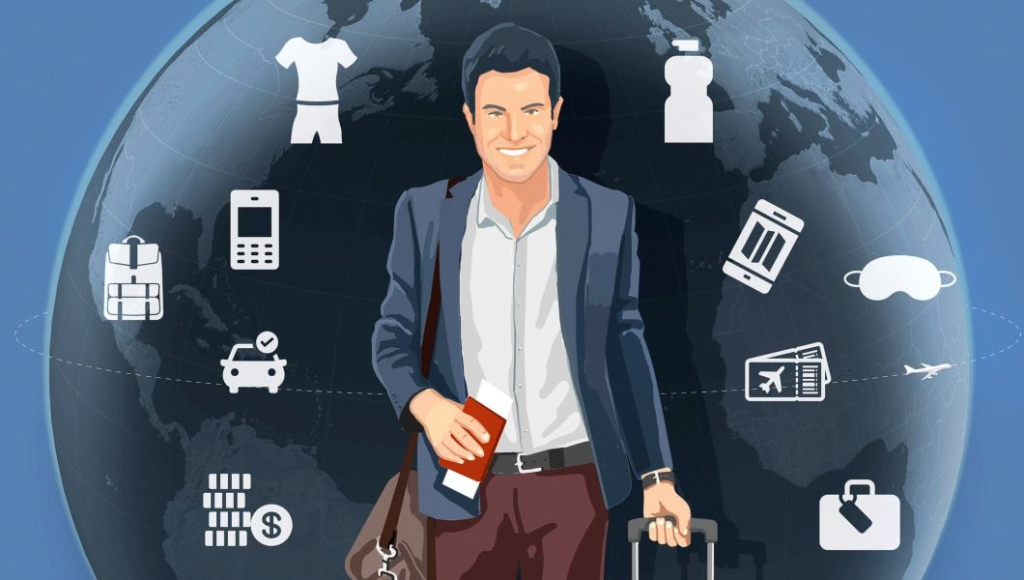
Planning ahead prevents costly mistakes such as overpriced hotels, tourist traps, or unnecessary transportation expenses.
For example, someone visiting Europe alone for the first time may avoid expensive mistakes by researching rail passes, local customs, and accommodation options before arriving.
Overall, a solo travel guide transforms uncertainty into confidence and helps travelers enjoy smoother, safer, and more rewarding adventures.
Detailed Step-by-Step Guide
Step 1: Choose the Right Destination
Selecting the right destination is the foundation of a successful solo trip. Beginners should start with places known for tourism, safety, and easy transportation.
Important factors to consider include:
- Crime rates
- Language accessibility
- Public transportation
- Tourist infrastructure
- Budget requirements
- Cultural friendliness
Popular beginner-friendly destinations include:
- Japan
- Thailand
- Portugal
- Canada
- New Zealand
- Singapore
Research online forums, travel blogs, and local regulations before booking anything.
Step 2: Set a Realistic Budget
Budgeting is essential for independent travelers because there is no one else to share costs with during emergencies.
A practical travel budget should include:
- Flights
- Accommodation
- Food
- Transportation
- Activities
- Travel insurance
- Emergency savings
For example, if a traveler plans a seven-day trip, they should calculate daily spending limits and reserve extra funds for unexpected situations.
Using budgeting apps can also help monitor expenses during the trip.
Step 3: Book Safe Accommodation
Accommodation choices greatly affect safety and comfort. Solo travelers should prioritize secure locations rather than simply choosing the cheapest option.
Good accommodation options include:
- Hostels with positive reviews
- Boutique hotels
- Guesthouses
- Verified vacation rentals
Before booking:
- Read reviews carefully
- Check neighborhood safety
- Confirm 24-hour reception if possible
- Verify transportation access
Many solo travelers enjoy hostels because they provide opportunities to meet other travelers while keeping costs affordable.
Step 4: Plan Transportation Carefully
Transportation planning prevents confusion and unnecessary stress during travel.
Research the following before departure:
- Airport transfer options
- Public transport systems
- Ride-sharing apps
- Train schedules
- Local taxi safety
Downloading offline maps can help travelers navigate unfamiliar cities without internet access.
If renting a car abroad, travelers should also understand local driving laws and parking regulations.
Step 5: Pack Smart and Light
Overpacking creates unnecessary difficulties, especially for independent travelers carrying luggage alone.
Essential items often include:
- Passport and identification
- Power bank
- Comfortable clothing
- Basic medications
- Copies of important documents
- Travel adapters
- Portable lock
Packing cubes can help organize belongings efficiently.
A lightweight backpack or suitcase makes movement easier in airports, train stations, and crowded streets.
Step 6: Prioritize Safety
Safety should remain a top priority throughout the journey.
Important solo travel safety tips include:
- Avoid sharing live locations publicly
- Keep emergency contacts accessible
- Stay aware in crowded places
- Avoid isolated areas at night
- Trust instincts in uncomfortable situations
- Use hotel safes when available
Travel insurance is also highly recommended because it can cover medical emergencies, lost luggage, and cancellations.
Step 7: Stay Connected
Communication is extremely important during solo travel.
Useful methods include:
- Purchasing local SIM cards
- Using international roaming plans
- Downloading messaging apps
- Sharing itineraries with trusted family members
Checking in regularly with loved ones improves safety and peace of mind.
Step 8: Meet People Safely
Solo travel does not always mean being alone. Many travelers build friendships during their journeys.
Safe ways to meet people include:
- Group tours
- Hostel events
- Cooking classes
- Language exchanges
- Walking tours
However, travelers should still maintain personal boundaries and avoid oversharing private details with strangers.
Step 9: Learn Basic Local Customs
Understanding local culture improves travel experiences and prevents misunderstandings.
Research topics such as:
- Dress codes
- Tipping customs
- Greetings
- Religious traditions
- Public behavior expectations
Respectful behavior helps travelers build positive connections with locals.
Step 10: Keep a Flexible Mindset
Unexpected situations are common during travel. Flights may change, weather conditions can shift, and plans might fail.
Flexible travelers adapt more easily and enjoy their journeys with less stress.
Instead of focusing on perfection, solo travelers should focus on experiences, learning, and personal growth.
Benefits of Solo Travel Guide
A proper solo travel guide offers many valuable benefits for independent travelers.
- Builds self-confidence
- Improves problem-solving skills
- Encourages personal growth
- Creates flexible travel experiences
- Helps travelers manage budgets better
- Increases cultural awareness
- Supports independent decision-making
- Reduces travel anxiety
- Helps avoid scams and safety issues
- Encourages meaningful self-reflection
For example, many travelers return from solo trips feeling more independent and capable in everyday life.
Disadvantages / Risks
Although solo travel can be rewarding, it also involves certain challenges and risks.
- Loneliness during long trips
- Higher accommodation costs without shared expenses
- Greater personal responsibility
- Increased safety concerns
- Difficulty during emergencies
- Language barriers in foreign countries
- Risk of scams targeting tourists
- Possible homesickness
- Limited help during illness
- Mental exhaustion from constant decision-making
Understanding these disadvantages allows travelers to prepare effectively and reduce potential problems.
Common Mistakes to Avoid
Many beginner travelers make avoidable errors during their first solo journeys. Recognizing these mistakes can improve the overall experience significantly.
Overpacking
Carrying heavy luggage creates stress and limits mobility. Travelers should pack only necessary items.
Ignoring Travel Insurance
Some people skip insurance to save money, but medical emergencies abroad can become extremely expensive.
Not Researching Local Laws
Certain destinations have strict rules regarding dress codes, photography, or public behavior. Ignoring these laws may create problems.
Sharing Too Much Information
Posting exact locations publicly can increase safety risks. Travelers should avoid revealing personal details to strangers.
Booking Everything Last Minute
Late bookings often result in higher prices and fewer accommodation options.
Carrying Too Much Cash
Travelers should use secure payment methods and keep emergency cash separately.
Avoiding Social Interaction Completely
Solo travelers sometimes isolate themselves unnecessarily. Safe social activities can improve the travel experience greatly.
Failing to Backup Documents
Digital and printed copies of passports, visas, and tickets can help during emergencies.
FAQs
Is solo travel safe for beginners?
Yes, solo travel can be safe for beginners when proper planning and precautions are taken. Choosing tourist-friendly destinations, researching local culture, and staying aware of surroundings significantly improve safety.
What is the best age to start solo traveling?
There is no perfect age for solo travel. Many people begin in their late teens, while others start after retirement. Maturity, confidence, and preparation matter more than age.
How can solo travelers save money?
Travelers can save money by using hostels, public transportation, budget airlines, and local restaurants. Planning ahead also helps reduce unnecessary expenses.
What should solo travelers pack first?
Essential items include passports, identification, medications, chargers, travel insurance documents, comfortable clothing, and emergency contact information.
How do solo travelers avoid loneliness?
Joining local tours, staying in social accommodations, attending cultural events, and participating in group activities can help travelers meet people safely.
Is solo travel good for personal growth?
Yes, solo travel often improves confidence, communication skills, adaptability, and independence. Many travelers discover new strengths while exploring unfamiliar places alone.
Which countries are best for first-time solo travelers?
Countries such as Japan, Portugal, Thailand, Singapore, and Canada are often recommended because they offer strong tourism infrastructure and relatively safe environments.
How important is travel insurance?
Travel insurance is extremely important because it can protect travelers during medical emergencies, cancellations, theft, or lost luggage situations.
Expert Tips & Bonus Points
Experienced travelers often follow strategies that make independent journeys smoother and more enjoyable.
Start Small
Beginners should begin with short trips before attempting long international adventures.
Arrive During Daylight
Reaching destinations during daylight hours improves navigation and safety.
Keep Emergency Funds
Unexpected situations happen frequently during travel. Emergency savings provide financial security.
Learn Key Local Phrases
Simple greetings and questions help travelers communicate respectfully with locals.
Use Offline Maps
Internet access may not always be available. Offline navigation tools can prevent confusion.
Stay Organized
Keeping tickets, reservations, and important documents in one secure place saves time and reduces stress.
Trust Your Instincts
If a place or person feels unsafe, travelers should leave immediately and prioritize safety.
Balance Planning and Freedom
Having a general itinerary is helpful, but leaving room for spontaneous experiences creates memorable adventures.
Maintain Healthy Habits
Proper sleep, hydration, and nutrition help travelers stay energetic and alert throughout the trip.
Document the Journey
Keeping a travel journal or taking photos helps preserve memories and personal reflections.
Conclusion
Solo travel is one of the most rewarding ways to explore the world and discover personal independence. Although the idea of traveling alone may initially seem intimidating, careful preparation and the right mindset can transform uncertainty into confidence. A reliable solo travel guide helps travelers understand how to choose safe destinations, manage expenses, plan transportation, and handle unexpected challenges effectively.
Independent travel allows people to experience complete freedom while building valuable life skills. Travelers often return from solo adventures with greater confidence, improved communication abilities, and a deeper understanding of different cultures. These experiences can shape personal growth in ways that ordinary vacations sometimes cannot.
At the same time, successful solo travel requires responsibility and awareness. Safety planning, budgeting, accommodation research, and cultural understanding are all essential parts of a smooth journey. Beginners should start with manageable trips and gradually expand their comfort zones as they gain experience.
Whether someone dreams of exploring busy cities, relaxing beaches, mountain trails, or historical destinations, solo travel offers endless opportunities for adventure and self-discovery. By following the practical strategies in this solo travel guide, travelers can reduce stress, avoid common mistakes, and enjoy meaningful experiences with confidence.
Ultimately, solo travel is not just about visiting new places. It is about learning more about the world while also learning more about yourself.
