



Introduction
Digital innovation trhttps://urbandigestx.com/category/tech-trends/ends are changing the way people live, work, communicate, and run businesses. From artificial intelligence to cloud computing, modern technology is creating new opportunities across every industry. Companies now rely on digital tools to improve customer experience, increase productivity, and stay ahead in a highly competitive market.
In recent years, digital transformation has become more than a business strategy. It has become a necessity for survival. Businesses that fail to adopt modern technology often struggle to compete with organizations that embrace innovation. At the same time, consumers expect faster services, personalized experiences, and smarter solutions in their daily lives.
The rise of automation, data analytics, remote collaboration, and smart devices has accelerated digital growth worldwide. Small startups and large enterprises are both investing heavily in advanced technologies to improve operations and expand their reach. Even industries such as healthcare, education, retail, and finance are rapidly evolving because of these digital innovation trends.
For beginners and intermediate readers, understanding these trends is important because technology now influences nearly every career and business sector. Whether you are a student, entrepreneur, freelancer, or company owner, staying updated with digital innovation trends can help you make better decisions and prepare for future opportunities.
This guide explains the meaning of digital innovation trends, why they matter, how businesses use them, their benefits, risks, common mistakes, and expert tips for success in the digital era.
What Is Digital Innovation Trends?
Digital innovation trends refer to the latest technological advancements and strategies that improve products, services, processes, and customer experiences. These trends involve using modern digital tools to solve problems, increase efficiency, and create new business opportunities.
Digital innovation is not limited to one industry. It affects almost every field, including:
- Healthcare
- Banking
- Education
- Manufacturing
- E-commerce
- Marketing
- Transportation
- Entertainment
For example, online shopping platforms use artificial intelligence to recommend products based on customer behavior. Hospitals use digital records and smart devices to improve patient care. Schools now offer virtual learning platforms for remote education.
Some of the most common digital innovation trends include:
- Artificial Intelligence
- Cloud Computing
- Internet of Things
- Blockchain Technology
- Cybersecurity Solutions
- Data Analytics
- Automation Tools
- Virtual Reality
- Remote Work Technologies
- Smart Applications
These technologies help businesses improve efficiency, reduce costs, and deliver better experiences to customers.
Why Is Digital Innovation Trends Important?
Digital innovation trends are important because they help organizations adapt to changing customer needs and market demands. Technology continues to evolve quickly, and businesses must stay updated to remain competitive.
Here are several reasons why digital innovation matters today:
Improves Business Efficiency
Modern software and automation tools reduce manual work and save time. Businesses can complete tasks faster with fewer errors.
Enhances Customer Experience
Digital tools allow companies to personalize services and communicate more effectively with customers.
Supports Better Decision Making
Data analytics helps organizations understand customer behavior, market trends, and business performance.
Creates Competitive Advantage
Companies using advanced technologies often outperform competitors who rely on outdated systems.
Encourages Innovation
Businesses can create new products and services using emerging technologies.
Expands Global Reach
Online platforms allow organizations to connect with customers worldwide.
Increases Flexibility
Cloud computing and remote work tools allow employees to work from different locations efficiently.
Without digital innovation, businesses may struggle to meet modern expectations and changing market conditions.
Detailed Step-by-Step Guide
Step 1: Understand Current Technology Trends
The first step is learning about the latest digital innovation trends affecting your industry.
Research topics such as:
- Artificial intelligence
- Machine learning
- Automation
- Blockchain
- Cloud services
- Smart devices
- Cybersecurity
Reading industry reports, attending webinars, and following technology news can help you stay informed.
Step 2: Identify Business Goals
Before adopting new technology, define your business objectives clearly.
Ask questions like:
- What problems need solving?
- Which processes are inefficient?
- What customer needs are not being met?
- How can technology improve productivity?
Clear goals make it easier to choose the right digital solutions.
Step 3: Analyze Existing Systems
Evaluate your current systems and processes to identify areas that need improvement.
For example:
- Outdated software
- Slow customer support
- Manual data entry
- Poor communication systems
- Limited online presence
Understanding current weaknesses helps businesses prioritize innovation efforts.
Step 4: Invest in Cloud Computing
Cloud computing is one of the most powerful digital innovation trends today.
Cloud platforms provide:
- Remote data access
- Better collaboration
- Secure storage
- Scalability
- Reduced infrastructure costs
Many businesses now use cloud-based applications for communication, project management, and customer relationship management.
Step 5: Use Artificial Intelligence
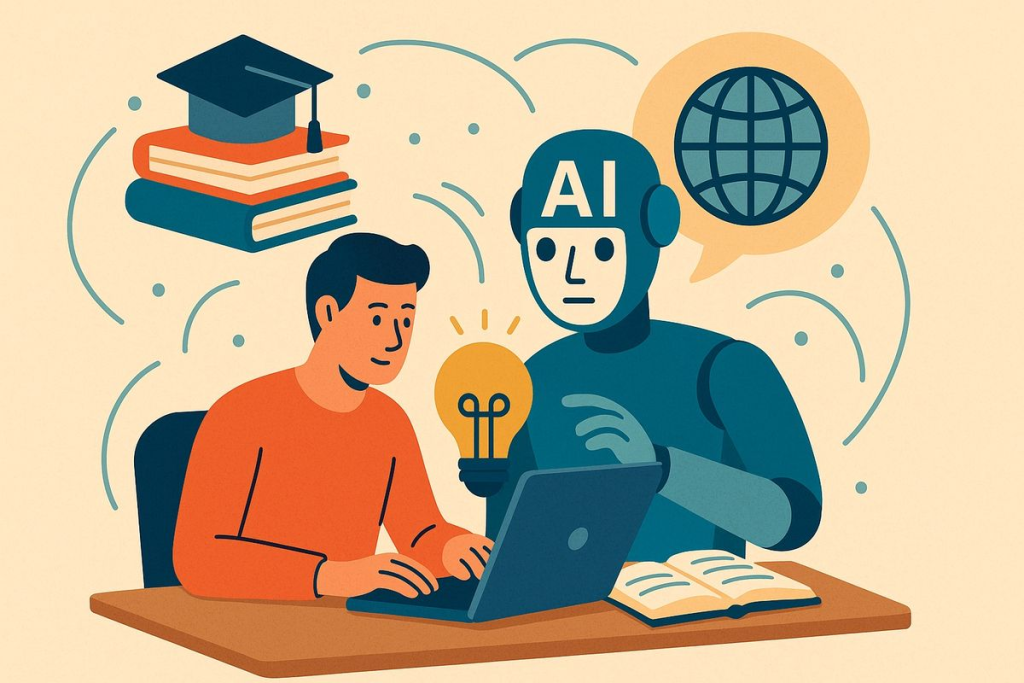
Artificial intelligence helps automate tasks and improve decision-making.
Common AI applications include:
- Chatbots
- Product recommendations
- Fraud detection
- Predictive analytics
- Virtual assistants
AI tools help businesses save time while improving customer service and operational efficiency.
Step 6: Improve Cybersecurity
As businesses become more digital, cybersecurity becomes increasingly important.
Protect your systems by:
- Using strong passwords
- Installing security software
- Updating systems regularly
- Training employees
- Encrypting sensitive data
Cybersecurity reduces the risk of data breaches and online attacks.
Step 7: Focus on Data Analytics
Data analytics helps businesses understand trends and customer behavior.
Companies can analyze:
- Website traffic
- Sales performance
- Customer feedback
- Marketing campaigns
- User engagement
This information helps organizations make smarter business decisions.
Step 8: Automate Repetitive Tasks
Automation improves productivity by handling repetitive work automatically.
Examples include:
- Email marketing
- Invoice generation
- Customer support tickets
- Inventory tracking
- Appointment scheduling
Automation reduces human error and increases efficiency.
Step 9: Adopt Remote Work Technologies
Remote work tools became essential in recent years.
Popular solutions include:
- Video conferencing software
- Team collaboration platforms
- Cloud storage systems
- Project management tools
These technologies improve communication and flexibility for teams.
Step 10: Enhance Customer Experience
Modern customers expect fast and personalized service.
Businesses can improve customer experience through:
- Mobile-friendly websites
- AI chat support
- Personalized recommendations
- Fast online payments
- Responsive customer service
Customer satisfaction often leads to repeat business and positive reviews.
Step 11: Train Employees Regularly
Technology changes quickly, so employee training is essential.
Provide training on:
- New software
- Security practices
- Data management
- Digital communication tools
- Automation systems
Skilled employees adapt more effectively to digital transformation.
Step 12: Monitor and Improve
Digital innovation is an ongoing process.
Regularly measure:
- Performance improvements
- Customer satisfaction
- Productivity levels
- Revenue growth
- Technology effectiveness
Continuous improvement helps businesses remain competitive in the long term.
Benefits of Digital Innovation Trends
Digital innovation trends offer many advantages for businesses and individuals.
Increased Productivity
- Automation reduces repetitive tasks
- Employees work more efficiently
- Faster communication improves workflow
Better Customer Experience
- Personalized services increase satisfaction
- Faster support improves trust
- Digital platforms provide convenience
Cost Reduction
- Cloud systems lower infrastructure costs
- Automation decreases labor expenses
- Digital tools reduce paperwork
Improved Decision Making
- Data analytics provides valuable insights
- Businesses understand customer needs better
- Market trends become easier to track
Enhanced Flexibility
- Remote work becomes possible
- Teams collaborate from different locations
- Businesses respond quickly to market changes
Stronger Competitive Position
- Innovative companies attract more customers
- Advanced technology improves brand reputation
- Businesses adapt faster than competitors
Global Expansion Opportunities
- Online platforms reach international markets
- Digital marketing increases visibility
- E-commerce allows worldwide sales
Better Security Solutions
- Advanced cybersecurity protects sensitive data
- Digital monitoring reduces fraud risks
- Cloud backups improve data protection
Disadvantages / Risks
Although digital innovation trends provide many benefits, they also involve challenges and risks.
High Initial Costs
- Technology investments can be expensive
- Small businesses may struggle financially
- Upgrading systems requires budget planning
Cybersecurity Threats
- Online attacks continue increasing
- Data breaches can damage reputation
- Hackers target sensitive customer information
Employee Resistance
- Some workers fear technological changes
- Lack of training creates confusion
- Employees may resist automation systems
Rapid Technology Changes
- Trends evolve quickly
- Businesses must update systems regularly
- Outdated technology becomes ineffective fast
Privacy Concerns
- Customer data collection raises privacy issues
- Improper data handling may cause legal problems
- Users expect transparency and security
Dependence on Technology
- System failures can disrupt operations
- Internet outages affect productivity
- Businesses rely heavily on digital platforms
Skill Gaps
- Some employees lack digital skills
- Hiring technology experts can be expensive
- Continuous learning becomes necessary
Implementation Challenges
- Complex systems require careful planning
- Poor integration affects performance
- Digital transformation takes time
Common Mistakes to Avoid
Many businesses fail to benefit fully from digital innovation because of avoidable mistakes.
Ignoring Customer Needs
Technology should improve customer experience, not complicate it.
Businesses sometimes focus too much on technology and forget what customers actually want.
Choosing Technology Without Planning
Adopting tools without clear goals often wastes money and resources.
Always define objectives before investing in technology.
Neglecting Cybersecurity
Weak security systems expose businesses to serious risks.
Cybersecurity should be a priority from the beginning.
Lack of Employee Training
Employees need proper guidance to use new systems effectively.
Without training, productivity may decrease instead of improving.
Trying to Change Everything at Once
Large-scale transformation can overwhelm teams.
Start with smaller improvements before expanding digital initiatives.
Ignoring Data Analytics
Businesses often collect data but fail to analyze it properly.
Data-driven decisions improve performance and strategy.
Using Outdated Systems
Old software and hardware reduce efficiency and security.
Regular updates are essential for long-term success.
Failing to Monitor Results
Digital innovation requires continuous evaluation.
Track performance to identify strengths and weaknesses.
FAQs
What are digital innovation trends?
Digital innovation trends are modern technological developments that improve business operations, communication, products, and customer experiences through digital solutions.
Why are digital innovation trends important for businesses?
They help businesses improve efficiency, reduce costs, increase customer satisfaction, and remain competitive in changing markets.
Which industries benefit most from digital innovation?
Almost every industry benefits, including healthcare, retail, education, banking, manufacturing, and entertainment.
What is the role of artificial intelligence in digital innovation?
Artificial intelligence automates tasks, analyzes data, improves customer support, and helps businesses make smarter decisions.
How does cloud computing support digital transformation?
Cloud computing provides flexible storage, remote access, collaboration tools, and scalable infrastructure for businesses.
What are the biggest risks of digital innovation?
Cybersecurity threats, high costs, employee resistance, privacy concerns, and rapid technological changes are common risks.
Can small businesses benefit from digital innovation trends?
Yes. Small businesses can use affordable digital tools to improve marketing, customer service, communication, and productivity.
How can businesses start digital transformation?
Businesses should identify goals, analyze current systems, choose suitable technologies, train employees, and monitor progress regularly.
Expert Tips & Bonus Points
Digital transformation becomes more successful when businesses follow smart strategies and long-term planning.
Focus on Customer Experience First
Technology should solve customer problems and improve convenience.
Always ask how innovation benefits users directly.
Start Small and Scale Gradually
Instead of changing everything at once, begin with manageable projects.
Small improvements reduce risk and increase confidence.
Invest in Employee Skills
Continuous training helps teams adapt to new technologies effectively.
Skilled employees increase productivity and innovation.
Use Reliable Technology Partners
Choose trusted software providers and experienced consultants when implementing new systems.
Reliable support reduces technical problems.
Prioritize Cybersecurity
Strong security measures protect both businesses and customers.
Regular security updates are essential in the digital world.
Monitor Industry Trends
Technology evolves constantly.
Follow industry developments to stay competitive and discover new opportunities.
Encourage Innovation Culture
Employees should feel comfortable sharing ideas and testing new solutions.
Creative thinking supports long-term business growth.
Measure Results Carefully
Track key performance indicators such as:
- Customer satisfaction
- Productivity
- Revenue growth
- Website traffic
- Operational efficiency
Measuring results helps businesses improve future strategies.
Combine Human Skills With Technology
Technology works best when combined with human creativity, communication, and problem-solving abilities.
Businesses should balance automation with personal interaction.
Prepare for Future Changes
Digital innovation trends will continue evolving rapidly.
Organizations that remain flexible and open to change will adapt more successfully.
Conclusion
Digital innovation trends continue transforming the modern world at an incredible pace. Businesses, schools, healthcare providers, and governments are all using technology to improve efficiency, communication, and customer experiences. From artificial intelligence and cloud computing to automation and cybersecurity, digital tools are creating new opportunities across every industry.
For beginners and intermediate readers, understanding these trends is important because technology now influences daily life and professional success. Businesses that embrace digital transformation often improve productivity, reduce costs, and gain a stronger competitive advantage. At the same time, individuals with digital skills become more valuable in today’s job market.
However, successful innovation requires proper planning, employee training, and strong cybersecurity practices. Companies that adopt technology without clear goals may struggle with implementation challenges and wasted investments. Continuous learning and adaptation are essential for long-term success in the digital age.
The future of digital innovation trends looks even more exciting as new technologies continue emerging worldwide. Smart devices, advanced automation, virtual experiences, and data-driven systems will likely become even more important in the coming years. Organizations that stay informed and flexible will have greater opportunities for growth and innovation.
By understanding modern digital trends and applying them wisely, businesses and individuals can prepare for a smarter, faster, and more connected future.
