


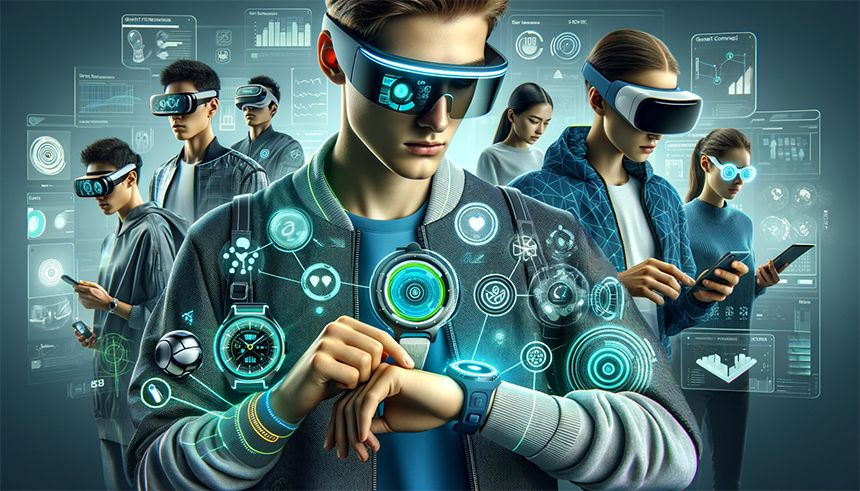
Introduction
Technology continues to evolve at an incredible speed, changing the way people work, communicate, shop, learn, and entertain themselves. The latest tech trends are influencing businesses, education, healthcare, finance, and everyday life across the world. Whether someone is a student, entrepreneur, freelancer, or office worker, understanding modern technology has become more important than ever before.
Over the last few years, digital transformation has accelerated rapidly. Companies now rely on cloud computing, smart devices, cybersecurity tools, automation systems, and advanced data analysis to remain competitive. At the same time, consumers are using smarter applications, wearable gadgets, and intelligent online services in their daily routines. These changes are creating new opportunities while also introducing new challenges.
For beginners and intermediate users, learning about current innovations can feel overwhelming. However, understanding the basics of emerging technologies is easier when complex ideas are explained in simple language. The latest tech trends are not only for developers and engineers. They affect everyone who uses the internet, mobile phones, social media platforms, or online services.
This guide explores the most important technology trends shaping the future in 2026. It explains how these innovations work, why they matter, their benefits, risks, and practical ways people can use them. By the end of this article, readers will have a clear understanding of today’s most important digital developments and how they may influence the future.
What Is Latest Tech Trends?
The term “latest tech trends” refers to new and rapidly growing technologies that are transforming industries and modern lifestyles. These trends represent innovations that are becoming more popular, practical, and influential in daily life and business operations.
Technology trends often emerge because of changing consumer needs, business competition, and scientific advancement. Some technologies improve communication, while others increase efficiency, security, productivity, or convenience.
Examples of the latest tech trends include:
- Artificial intelligence
- Cloud computing
- Internet of Things devices
- Blockchain technology
- Virtual reality
- Cybersecurity systems
- Smart automation
- Green technology
- 5G connectivity
- Quantum computing
These innovations continue to evolve every year. Some trends become permanent parts of society, while others disappear if they fail to meet expectations.
The latest tech trends are important because they shape the future economy, create new jobs, and improve the way people interact with technology.
Why Is Latest Tech Trends Important?
Modern technology trends influence almost every industry worldwide. Businesses use them to improve efficiency, while consumers enjoy faster and smarter digital experiences.
Here are several reasons why the latest tech trends matter.
Improved Productivity
Automation tools and intelligent software help businesses complete tasks more quickly and accurately. Employees can focus on more valuable work instead of repetitive tasks.
Better Communication
Modern communication platforms allow people to connect instantly through video calls, messaging apps, and collaboration tools.
Enhanced Security
Advanced cybersecurity systems protect personal information, financial data, and business records from online threats.
New Career Opportunities
Technology creates jobs in software development, digital marketing, cybersecurity, data analysis, cloud management, and many other fields.
Faster Innovation
Companies can develop products and services more efficiently with advanced digital tools and automation systems.
Improved Customer Experience
Businesses use artificial intelligence and smart analytics to provide personalized services and recommendations.
Global Connectivity
The internet and modern communication technologies make it easier for businesses and individuals to collaborate internationally.
Understanding the latest tech trends allows people to stay competitive in both personal and professional life.
Detailed Step-by-Step Guide to the Latest Tech Trends
Artificial Intelligence and Machine Learning
Artificial intelligence is one of the fastest-growing technologies today. AI systems can analyze data, recognize patterns, solve problems, and make decisions with minimal human involvement.
Machine learning is a branch of AI that allows software to improve automatically through experience and data analysis.
Common uses include:
- Voice assistants
- Chat systems
- Fraud detection
- Personalized recommendations
- Smart search engines
- Medical diagnosis tools
Businesses use AI to automate customer service, analyze consumer behavior, and improve marketing strategies.
For beginners, learning basic AI concepts can open many career opportunities in the future.
Cloud Computing
Cloud computing allows users to store files, run applications, and access services through the internet instead of physical devices.
Popular cloud services help businesses manage data more efficiently while reducing hardware costs.
Benefits include:
- Remote accessibility
- Lower infrastructure expenses
- Better data backup
- Easier collaboration
- Flexible scalability
Cloud technology has become essential for remote work and digital businesses.
Cybersecurity Advancements
As technology grows, cyber threats also increase. Cybersecurity protects systems, devices, and networks from hackers and malicious attacks.
Modern cybersecurity trends include:
- Biometric authentication
- Multi-factor verification
- Advanced encryption
- Threat detection systems
- AI-powered security monitoring
Businesses invest heavily in cybersecurity because data breaches can damage reputation and finances.
Individuals also need cybersecurity awareness to protect personal accounts and online information.
Internet of Things
The Internet of Things refers to connected devices that communicate through the internet.
Examples include:
- Smart home devices
- Wearable fitness trackers
- Smart refrigerators
- Security cameras
- Connected vehicles
These devices collect and share data to improve convenience and efficiency.
Smart homes are becoming increasingly popular because they allow users to control appliances remotely.
5G Technology

5G is the latest generation of mobile internet connectivity. It offers much faster speeds and lower latency than previous networks.
Benefits of 5G include:
- Faster downloads
- Better video streaming
- Improved gaming performance
- Enhanced smart device connectivity
- Better support for remote work
5G also supports the growth of smart cities and autonomous transportation systems.
Blockchain Technology
Blockchain is a secure digital record system that stores information across multiple computers.
This technology is known for transparency and security.
Common uses include:
- Cryptocurrency transactions
- Supply chain tracking
- Digital contracts
- Secure record management
Many industries are exploring blockchain because it reduces fraud and increases trust.
Virtual Reality and Augmented Reality
Virtual reality creates immersive digital environments, while augmented reality adds digital elements to real-world experiences.
Applications include:
- Gaming
- Education
- Healthcare training
- Real estate tours
- Online shopping
- Industrial simulations
Businesses use these technologies to create interactive customer experiences.
Green Technology
Sustainable technology is becoming a major focus worldwide. Green technology aims to reduce environmental damage and improve energy efficiency.
Examples include:
- Solar energy systems
- Electric vehicles
- Smart energy management
- Eco-friendly manufacturing
- Renewable power solutions
Consumers and businesses increasingly support environmentally responsible innovations.
Robotics and Automation
Robotics and automation improve efficiency in manufacturing, healthcare, logistics, and customer service.
Automated systems can:
- Perform repetitive tasks
- Improve production speed
- Reduce human errors
- Increase workplace safety
Modern robots are becoming smarter and more adaptable due to AI integration.
Quantum Computing
Quantum computing is an advanced form of computing that solves extremely complex problems faster than traditional computers.
Although still developing, quantum computing may transform:
- Medical research
- Financial analysis
- Scientific simulations
- Cybersecurity
- Climate modeling
Experts believe quantum computing could revolutionize many industries in the future.
Benefits of Latest Tech Trends
Technology trends offer many advantages for businesses and individuals.
Increased Efficiency
- Automation reduces manual work
- Faster task completion
- Improved productivity
Better Communication
- Instant global connectivity
- Improved collaboration tools
- Faster information sharing
Enhanced Learning
- Online education platforms
- Interactive digital learning
- Access to global knowledge
Improved Healthcare
- Remote medical consultations
- Smart health monitoring
- Faster medical analysis
Business Growth
- Better customer insights
- Improved marketing strategies
- Global business opportunities
Greater Convenience
- Smart devices simplify daily tasks
- Online services save time
- Faster digital transactions
Advanced Security
- Improved fraud protection
- Stronger authentication systems
- Better data management
Disadvantages / Risks
Despite many benefits, the latest tech trends also present challenges and risks.
Privacy Concerns
- Data collection raises privacy issues
- Personal information may be misused
Cybersecurity Threats
- Hackers target online systems
- Increased risk of digital fraud
Job Displacement
- Automation may replace some traditional jobs
- Workers need new digital skills
Technology Dependence
- Excessive reliance on digital systems
- Reduced face-to-face interaction
High Costs
- Advanced technologies can be expensive
- Small businesses may struggle with adoption
Digital Divide
- Some communities lack access to modern technology
- Unequal access creates economic gaps
Misinformation
- Fast online sharing spreads false information quickly
- Users must verify sources carefully
Common Mistakes to Avoid
Many people make avoidable mistakes when following technology trends. Understanding these mistakes helps users make smarter decisions.
Ignoring Cybersecurity
One of the biggest mistakes is neglecting online security. Weak passwords and unsafe browsing habits increase the risk of cyber attacks.
Following Every Trend Blindly
Not every technology trend is useful for every person or business. It is important to evaluate practical benefits before investing time or money.
Avoiding Skill Development
Technology changes rapidly. People who stop learning may struggle to stay competitive in the future job market.
Overspending on Gadgets
Many consumers buy expensive devices they rarely use. Smart purchasing decisions are important.
Neglecting Data Backup
Failing to back up important files can lead to serious losses during technical failures or cyber incidents.
Ignoring Privacy Settings
Many users never adjust privacy settings on apps and devices. This can expose personal information unnecessarily.
Depending Entirely on Automation
Automation is helpful, but human oversight remains important for accuracy and decision-making.
FAQs
What are the latest tech trends in 2026?
The latest tech trends include artificial intelligence, cloud computing, cybersecurity advancements, 5G connectivity, blockchain, smart devices, robotics, and green technology.
Why is artificial intelligence becoming so popular?
Artificial intelligence improves efficiency, automates repetitive tasks, analyzes large amounts of data, and enhances customer experiences across many industries.
How does cloud computing help businesses?
Cloud computing reduces infrastructure costs, improves collaboration, allows remote access, and provides secure data storage solutions.
Is cybersecurity important for individuals?
Yes. Cybersecurity protects personal information, financial accounts, social media profiles, and digital devices from hackers and online threats.
What is the role of 5G technology?
5G technology provides faster internet speeds, lower latency, better mobile performance, and improved support for smart devices and digital services.
How can beginners learn about new technologies?
Beginners can start through online courses, technology blogs, video tutorials, and practical experimentation with digital tools and software.
Are smart devices safe to use?
Most smart devices are safe when users follow proper security practices, update software regularly, and use strong passwords.
What industries benefit most from technology trends?
Healthcare, finance, education, manufacturing, retail, transportation, and entertainment industries benefit greatly from modern technology innovations.
Expert Tips & Bonus Points
Staying updated with technology does not require advanced technical knowledge. Small and consistent learning habits can make a major difference over time.
Follow Reliable Tech Sources
Read trustworthy technology news platforms and industry blogs to stay informed about current developments.
Learn Basic Digital Skills
Understanding cloud tools, cybersecurity basics, and online collaboration platforms improves both personal and professional opportunities.
Practice Continuous Learning
Technology changes constantly. Learning one new skill every few months can keep individuals competitive.
Focus on Practical Applications
Instead of chasing every trend, focus on technologies that solve real problems or improve daily efficiency.
Build Cybersecurity Awareness
Use strong passwords, enable two-factor authentication, and avoid suspicious online activities.
Experiment With Smart Tools
Trying modern software and digital services helps users understand their practical benefits.
Understand Data Privacy
Review privacy settings regularly and limit unnecessary data sharing online.
Develop Problem-Solving Skills
Technology works best when combined with creative thinking and strong decision-making abilities.
Stay Open to Change
Adaptability is one of the most valuable skills in today’s digital world.
Invest Wisely in Technology
Choose tools and devices based on genuine needs instead of marketing hype.
Conclusion
The latest tech trends are transforming modern life faster than ever before. From artificial intelligence and cloud computing to cybersecurity and smart devices, technology now influences how people communicate, work, shop, travel, and learn. These innovations are not limited to large corporations or technical experts. They affect students, freelancers, small business owners, and everyday consumers worldwide.
Understanding emerging technologies provides many advantages. People who stay informed can improve productivity, discover new career opportunities, protect their digital information, and adapt more confidently to future changes. Businesses also benefit by using modern tools to improve efficiency, customer service, and competitiveness in rapidly changing markets.
At the same time, it is important to recognize the risks associated with modern technology. Privacy concerns, cyber threats, misinformation, and overdependence on automation remain significant challenges. Responsible technology use requires awareness, continuous learning, and smart decision-making.
For beginners and intermediate learners, the best approach is to focus on practical knowledge instead of becoming overwhelmed by complex technical details. Learning gradually, experimenting with useful digital tools, and staying curious about innovation can build strong long-term skills.
The future of technology will continue evolving in exciting ways. Those who remain adaptable and informed will be better prepared to succeed in a highly digital world. By understanding the latest tech trends today, individuals and businesses can confidently prepare for the opportunities and challenges of tomorrow.
